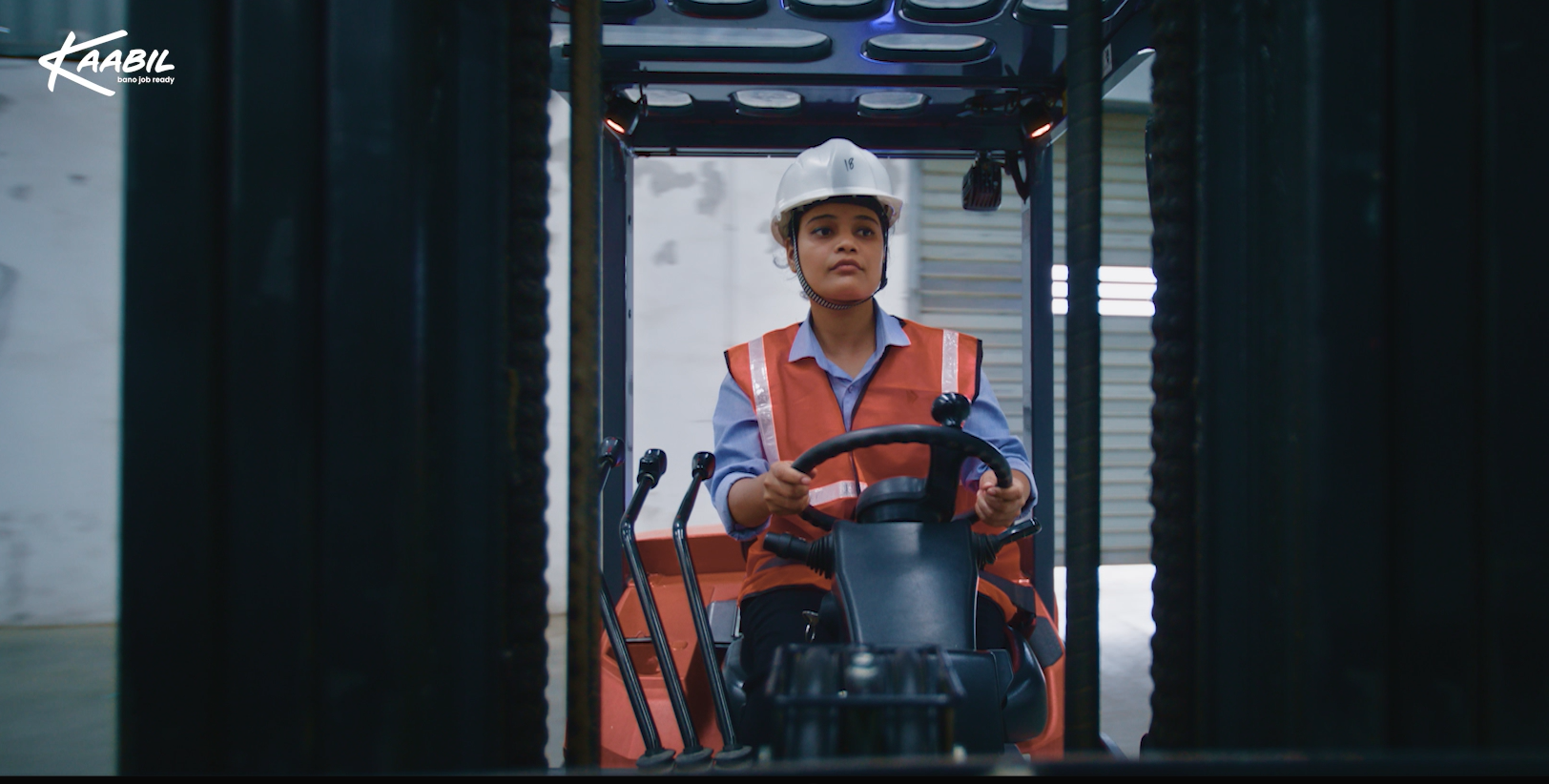
A Loader keeps goods moving at the two points where a warehouse meets the road: the inbound dock and the outbound bay. The work is unloading incoming trucks, scanning and staging cartons by route or zone, then loading delivery vehicles in the right drop sequence so the rider never has to dig for a parcel. It suits people who are physically fit, punctual and careful, and who like finishing a shift with a visibly cleared floor. Key skills include safe manual handling and stacking, barcode scanning, load sequencing, damage checks and count accuracy, and following dock safety rules.
Every fulfilment centre, sortation hub and dark store runs loading and unloading around the clock, so loaders are hired in large numbers and in every city where a hub opens. Demand spikes hard during festive and sale periods, when operators take on seasonal loaders in bulk, and a good share of those seasonal hires convert to permanent roles.
(Source: RedSeer Strategy & IAMAI Logistics Workforce Report, 2024)
(Source: Glassdoor India, Indeed Salary Insights 2024)
Loading is one of the easiest entry points into logistics: most openings ask only for 10th pass or basic literacy and hire on a walk-in basis. Because loaders learn the whole inbound-to-outbound flow, they are the first people considered for picker, packer and dock-lead openings, and then for supervisor roles.
(Source: India Skills Report & DPIIT Logistics Data, 2024)
10th pass or basic literacy is enough, and many hubs hire without it. Physical fitness matters more than marks: expect to be on your feet for a full shift and to lift cartons repeatedly.
No certification required to start. On-site induction covers dock safety and lifting technique. A forklift or material-handling-equipment licence is a real advantage and usually brings a higher pay band.
Basic Hindi or the local regional language is sufficient for shift briefings and safety instructions. Being able to read route codes, zone labels and numbers off a carton matters far more than English.
Basic reading and numeracy is enough to start. Several operators also hire below this bar for loading roles.
Loading shifts involve continuous lifting, stacking and walking. Build up stamina and learn correct lifting posture before you start to avoid back injuries.
Walk in at a Delhivery, Ekart, Amazon or BigBasket hub, or apply through their partner and staffing apps. Festive season is the easiest time to get in.
Get confident with the handheld scanner, route and zone codes, and loading vehicles in drop order. Accurate counts and zero damage are what get you noticed.
Train on pallet jacks, trolleys or a forklift. An MHE licence moves you into a higher pay band and out of pure manual lifting.
With 1-2 years of clean performance, step across to picker or packer roles, then to Dock Lead and on to Supervisor.




 Jobs
 About Us
 Employer Sign In
